 kabbos
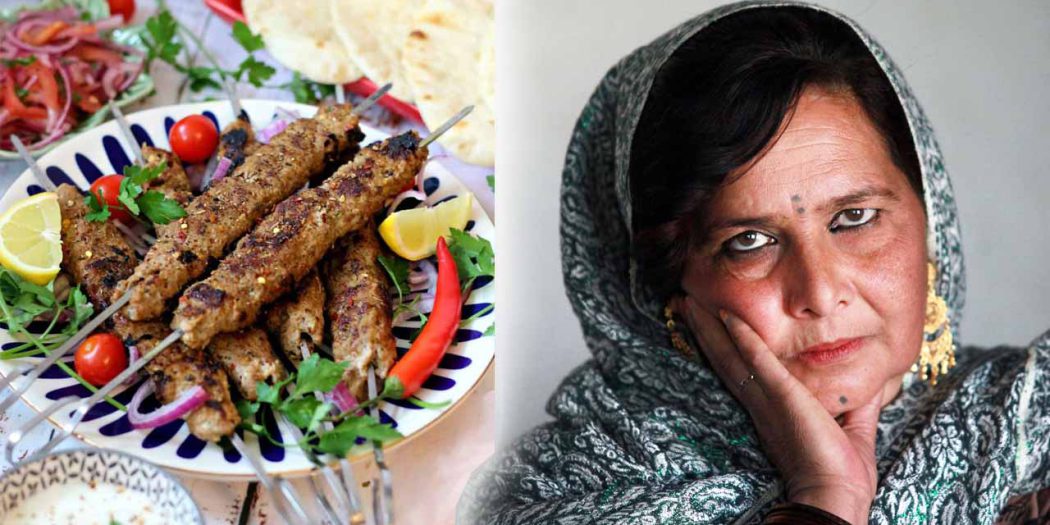
In societies where crime is presumed to be the domain of men, a woman sometimes emerges from the shadows—quiet, composed, and devastating. Her face may seem calm, almost tender, but beneath the surface rages a storm. This is the story of Shirin Gul—a housewife turned cold-blooded killer, who served kebabs to her guests… and buried their bodies in the garden.
This isn’t fiction. It’s a chilling chapter pulled from Afghanistan’s criminal archives—documented in court records and sealed in the soil beneath hidden graves. One of the most brazen cases in modern Afghan history, this is the tale of a woman who didn’t simply watch crime unfold—she led it, driven by a toxic blend of love and greed.
A Childhood Lost, a Marriage Forced
Shirin Gul’s life began in hardship. Orphaned at two, she was raised by relatives who saw her as an unwanted burden. At just eleven years old, she was married off to a man much older—simply to rid the family of another mouth to feed.
She gave birth to one son, Salimullah, and lived in her husband’s family home in Kabul. Her husband, Mohammad Azam, came from a notorious clan known for stealing and trafficking taxis.
It remains unclear whether Mohammad was directly involved in murder, but the family was certainly entrenched in organized crime. As with many gangs, expansion was inevitable.
Enter Rahmatullah
The gang soon brought in Rahmatullah, a distant relative of Mohammad Azam and a driver for a warlord. He quickly became a trusted associate, visiting the house often to plan heists and divide loot.
It wasn’t long before he noticed Shirin—and Shirin noticed him. In his eyes, she was no ordinary housewife. She dressed with care, held herself with confidence, and was unlike the other women in the neighborhood.
What began as glances turned into secret meetings. Whenever Mohammad was away, Rahmatullah would visit—and not just for gang business. Before long, the affair blossomed into a clandestine love.
But the lovers wanted more. They didn’t just want each other—they wanted a life together. And that meant getting rid of the husband.
The First Kill

One day, Mohammad Azam simply vanished. His family suspected he’d been arrested, killed during a heist, or even kidnapped by a rival gang. No one considered the possibility that his own wife had orchestrated his disappearance.
Still, the family remained silent, fearing police involvement could expose their own criminal activities.
Soon after, Shirin moved with her son to Jalalabad, where Rahmatullah’s extended family lived. There was no official marriage between them—only the understanding that they were now together.
And so, Shirin’s new life began—not in love, but in blood.
A Deadly Operation
The gang’s new scheme was terrifying in its simplicity. They lured taxi drivers to their home, pretending to negotiate fares. The men were offered kebabs and tea laced with sedatives. If a guest declined to eat, Shirin would step in—using charm and seduction to convince him.
Once unconscious, the victim was suffocated or stabbed, his body buried in the courtyard. The car was smuggled across the border to Miram Shah, Pakistan, and sold for up to $10,000.
Fashion and Blood
The gang’s wealth grew rapidly. They contributed to rebuilding the local mosque, fed the poor on Fridays, and cultivated a reputation as generous benefactors.
By day, Shirin played the role of a glamorous housewife—wearing high heels, gold bangles, designer perfumes, and flowing dresses.
By night, she prepared the meals of death.
The Fatal Mistake
In 2004, the gang made a critical error. They targeted Haji Mohammad Anwar, a well-known businessman. But this time, instead of pretending to sell a car, they lured him with a fake real estate deal.
He visited the home, drank the drugged tea, and was killed. But instead of burying him, they left his body in his car and abandoned it near the city.
Police found the corpse and contacted his uncle—who revealed that Anwar had planned to meet a couple named Shirin and Rahmatullah.
The Fall
Police raided the house. Inside, they found drugs, car documents, license plates, gold, weapons—and an oddly specific detail: 22 pairs of women’s shoes.
The yard was uneven. Police dug. They uncovered six decomposed bodies.
Further investigation led them to the family’s previous home in Jalalabad, where 18 more bodies were discovered. Two additional victims were reportedly dumped in remote locations.
Prison and Pregnancy
Six members of the gang were sentenced to death by hanging, convicted of kidnapping and murder between 2001 and 2004.
But a new twist emerged: Shirin claimed she was pregnant—by Rahmatullah, even though both were incarcerated.
Rumors swirled about an illicit relationship with a prison official, suggesting the pregnancy was a calculated attempt to delay execution.
The government chose silence, avoiding scandal. In the end, her sentence was commuted to 20 years in prison by presidential decree—on charges of 27 kidnappings and a single count of adultery.
Shirin Speaks
Eleven years later, Shirin gave a rare interview. By her side was her daughter, Mina—born in prison and now eleven herself. With no shelter willing to take her in, the girl lived behind bars with her mother.
Shirin refused to send Mina to relatives, saying:
“I don’t trust anyone. I have too many enemies outside.”
In the interview, Shirin claimed her first husband had not been a car thief, but a colonel in the communist government—violent, controlling, and abusive.
Rahmatullah, she said, had charmed her with food and affection, promising to rescue her. She agreed to flee with him—but was unaware he would return to a life of crime.
She denied participating in the murders, saying:
“I only made food for my murderous husband. They should hang me. Mina might cry one day, but I cry every day. This is a slow death.”
She also claimed her confession was extracted under torture.
Final Thoughts
Between the warmth of tea and the smell of kebab, dozens of men met their end—fooled by the face of a woman.
From orphan to child bride, from housewife to convicted conspirator in mass murder, Shirin Gul remains a haunting, complex figure—somewhere between victim and villain.
Was she a participant—or a prisoner of love? A leader of killers—or a woman too afraid to say no?
History rarely bothers with motive. It counts the bodies.
And it records the name of the killer.
And Shirin Gul’s name?
It is written in heavy black ink, beneath one chilling title:
The Kebab Killer.