 kabbos
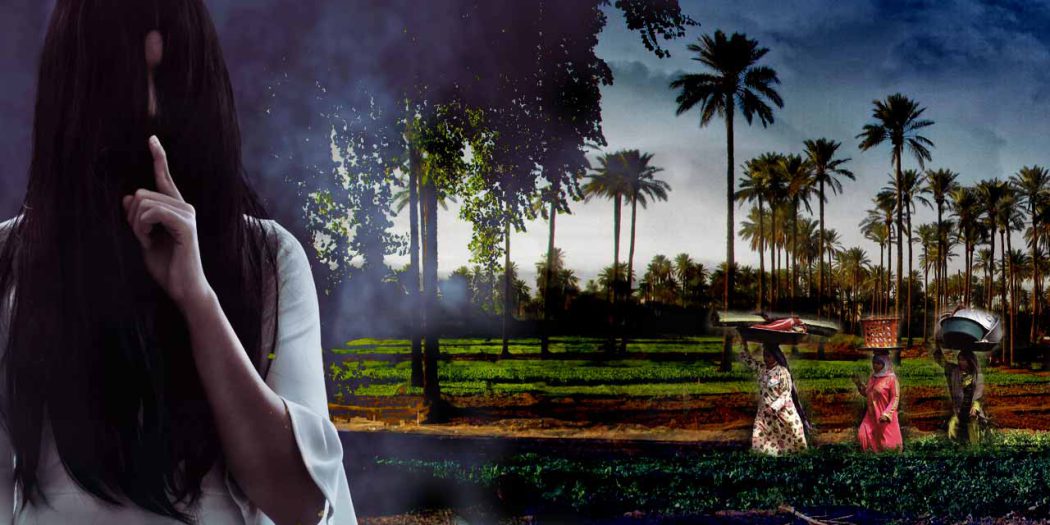
“Don’t go out after sunset… the roads are not yours anymore.”
That phrase wasn’t just a warning whispered by worried mothers in our childhood—it was an unspoken law in rural Egypt. A kind of magical incantation passed down through generations to protect us from a world we were not meant to see.
In those villages swallowed by darkness after dusk—when birds fall silent, frogs cease their croaking, and dogs bark at unseen threats—another world awakens. A world not governed by nature, but by nightmares and legends that refuse to die.
The Flayed-Leg Man: The Cursed Lurker Among Graves
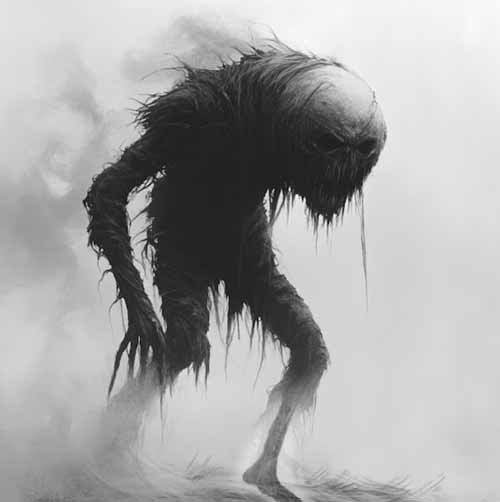
They whisper his name, afraid that saying it aloud might summon him. Some say he was once an ordinary man who committed an unforgivable sin—betrayal, murder, or perhaps desecrating a grave. The stories differ, but the ending is always the same: he was stripped of his humanity, one of his legs flayed down to the bone, cursed to wander the borders between the living and the dead.
Those who meet him never forget the flayed leg, the eye that weeps black tears, and the breath that sounds like the dying. He doesn’t walk; he drags himself. And when he sees you, he doesn’t attack. He watches. His presence alone is the punishment.
Haj Badawi, the middle school guard in Sanhour, recalls:
“I was a young man then, stayed late at the school. The moon was only half out. I heard something dragging its leg. When I looked up, I saw a figure, like a man, but the face… it was melting, like someone had burned it and left it alive. Since that night, I never stay out past dinner.”
The Lady of the Canal: Bride of the Waters
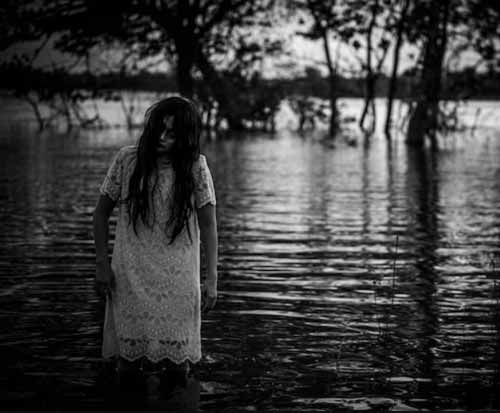
To some, she’s just folklore. But in villages near the water, she’s more than a tale. They say she was a bride who drowned and refused to rest. Her hair is long and coppery, writhing like serpents around her pale, silt-covered face.
She appears at dawn or after sunset. She doesn’t swim—she floats. She stares without blinking. Sometimes she smiles, but never laughs. She lures children, especially those holding toys or warm bread. The toys vanish. Sometimes the children return, trembling. Sometimes they don’t.
A mother from Kafr El Sheikh says:
“My son said he saw a lady smiling at him from beneath the water. She wore white, and her hair covered her face. Days later, he fell into the canal. He survived, but didn’t speak. When he finally did, he said: ‘She called me. She wanted my toy.’ We never found the toy… but the smell of her hair lingered on his clothes for two days.”
The Howler: Voice from Beyond the Silence
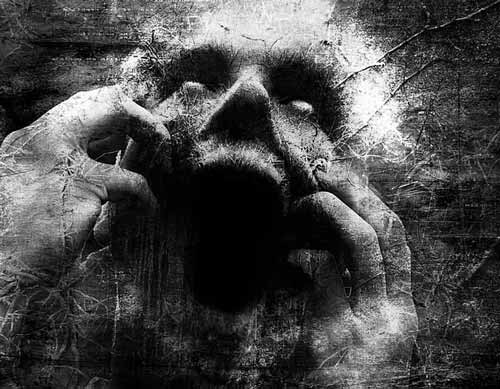
Once you hear it, you never forget. It’s not a wolf, nor a dog. It’s older. Harsher. The Howler is the cry that precedes misfortune. No one has seen it. But many have heard it, especially in villages near the desert or mountains.
It begins as a human moan, then stretches into a chilling, bone-piercing howl. They say it comes when the dead are disrespected, or sacred ground is defiled. Some refuse to bury loved ones at night, afraid the howl will rise over fresh soil.
From Wadi El Natrun, an old villager recounts:
“After we buried my mother, we sat at the café nearby. They swore they heard a howl from above our house… not an animal, but like a person in pain who couldn’t scream like a person. Since then, we only bury the dead in daylight.”
Mother Ghoul: The Woman Who Hates the Light
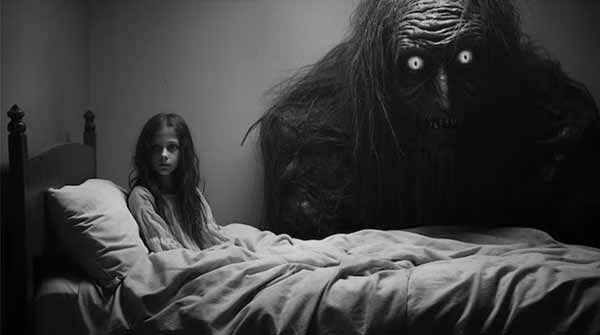
Generations may pass, but women still mention her at dawn, especially when someone forgets to close the door. They say she despises light and steals children left unattended. If she sees a woman laugh too loudly at night, or sing after dinner, she marks the house.
She rarely appears, but always warns: a mirror shatters for no reason, a rooster crows at midnight, or a stray black cat watches with human eyes. If she comes… the child is never returned.
In Fayoum, a woman tells:
“I left my daughter sleeping and forgot the window. At midnight, we heard a scream. We found her in the barn, clothes torn, strange scratches on the walls. No human did that. Since then, I never sleep before reciting my prayers and locking the doors myself.”
The Waterbound: A Forgotten Curse
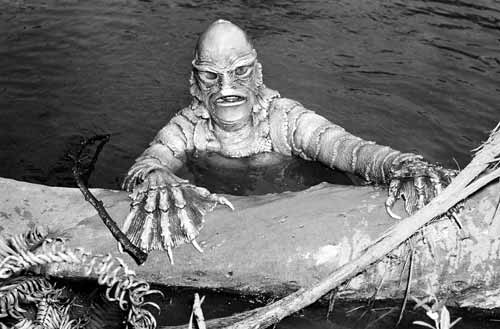
He trusted the gypsies. They gave him a strange drink, red like blood mixed with old oil, and said, “This is your fortune.” He drank. He didn’t die. He simply vanished.
They say he became a water spirit. He appears only at dusk, sitting by canals or rivers, singing in a sorrowful voice… then falling silent.
Women avoid him. Girls fear him. If you look at him, you may never forget. If you answer his call, you won’t return the same.
A girl from a village in Qalyubia recalls:
“I was fetching water and heard a man say: ‘The water is safe.’ I turned. He was sitting in the water, his eyes glowing like fire. I ran. Since then, whenever I touch water, I shiver.”
Those who don’t run are dragged beneath the surface. They vanish. Unseen, but felt. Sometimes, their screams echo in dreams, as if the Nile itself holds the souls of forgotten women.
When Fear Lives Between the Fields
You may think such tales don’t belong in the age of smartphones and Wi-Fi. But take a walk alone through a dark, deserted field, without light or company. There, your voice falters. Your senses sharpen. And you may feel that the darkness isn’t empty—that it breathes, thinks… and watches.
In rural Egypt, a fragile veil separates two worlds. As night deepens, that veil thins. And sometimes, the shadows whisper.
If you listen closely, you may hear footsteps. Not human. Not animal.
Something else.
Getting closer.